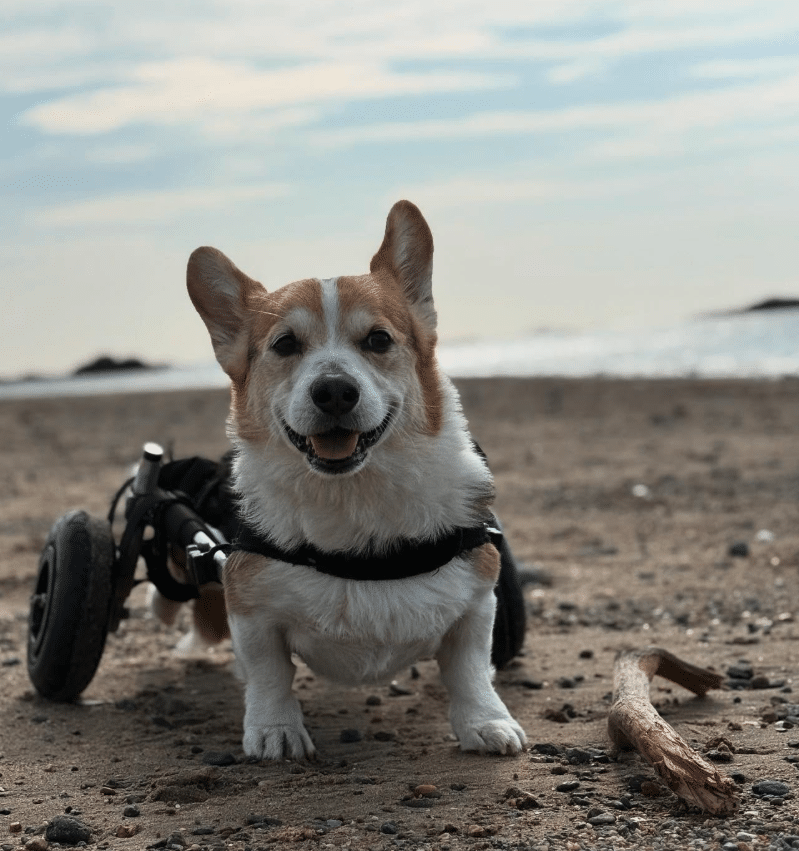
IVDD in Corgis: The Owner’s Guide to Symptoms, Treatment & Recovery

Reviewed by Professor Paul Freeman, Principal Veterinary Neurologist at Queens Veterinary School Hospital, University of Cambridge
Input given by Aurélie, owner of Marcel Le Corgi, and Serena, owner of Morus (Mo) the Corgi, who both live with Intervertebral Disc Disease.
Intervertebral Disc Disease (IVDD) is a condition that affects the discs in a dog’s spine, causing them to bulge or rupture and press on the spinal cord. This can lead to back pain, difficulty walking, or in severe cases, temporary paralysis of the legs. Most dogs can recover with proper treatment, which may include rest, medication, or surgery depending on the severity.
It was 6 a.m. on Christmas morning when Aurélie found her Corgi, Marcel, trying to move but unable to use his back legs. He wasn’t crying or showing obvious distress (he was even taking treats as if he wasn’t in pain), but he was paralyzed. In a matter of hours, this healthy, active 8-year-old Corgi who had been running at the park just hours before, was facing emergency spinal surgery.
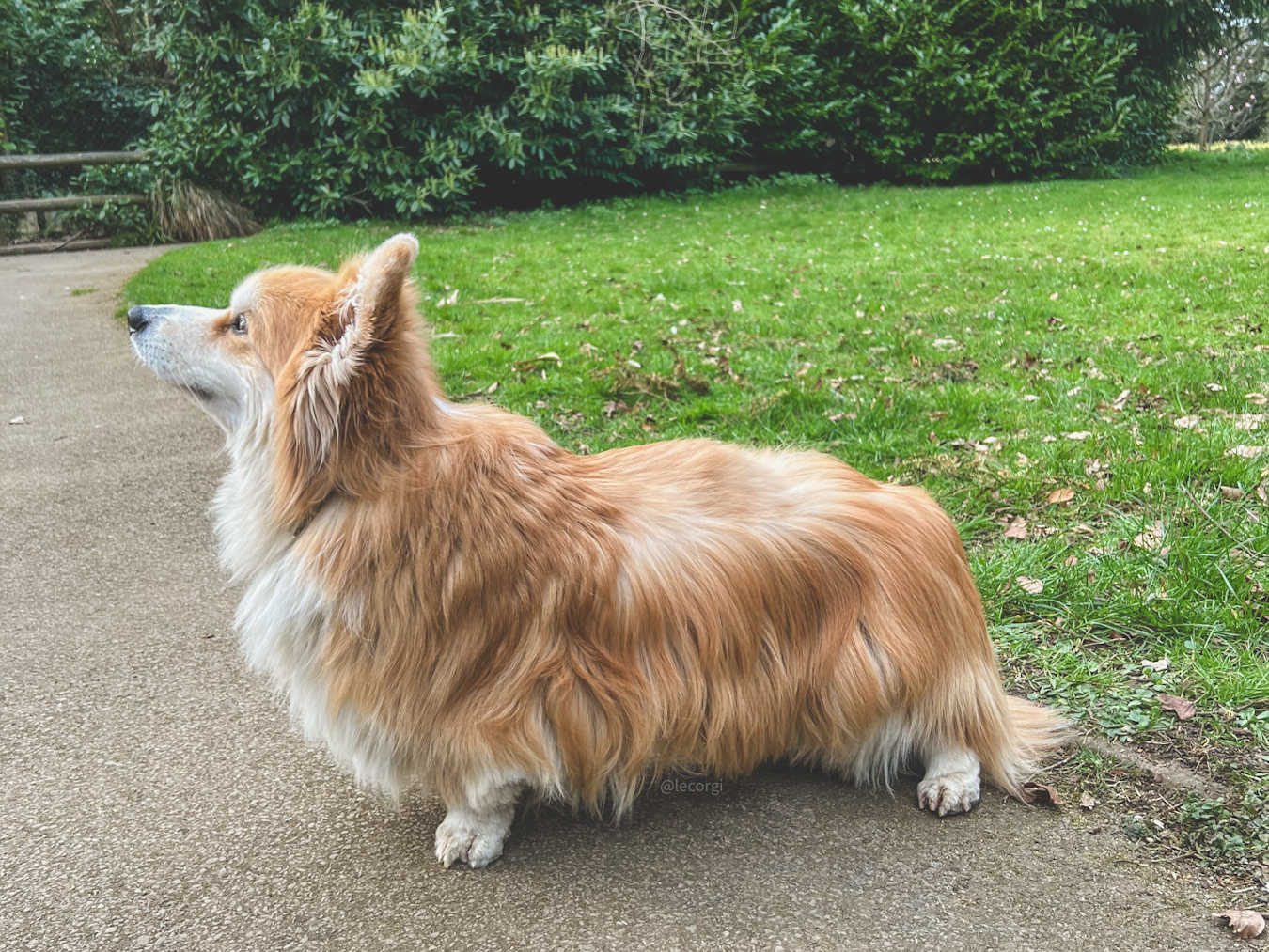
Marcel today
Fast forward nearly four years, and Marcel is living an active, happy life. He plays with other Corgis, enjoys his walks, and even does hydrotherapy sessions. While his journey included emergency surgery and months of rehabilitation, his story demonstrates that IVDD, though serious, is highly treatable.
“Most days are good days,” Aurélie says about Marcel’s life today. “He’s very playful and active – probably more so than many dogs his age without IVDD.”
Marcel’s experience, combined with expert insights from Professor Paul Freeman, Principal Veterinary Neurologist at Queens Veterinary School Hospital, University of Cambridge, shows that understanding IVDD empowers owners to recognize symptoms early and access the right treatment. Whether through surgery or conservative management, the vast majority of dogs with IVDD can return to comfortable, fulfilling lives.
This guide will help you understand what IVDD is, how to spot the signs, and what treatment options are available – so you can make informed decisions if your Corgi ever needs this care.

Key Takeaways
- Pain requires veterinary attention – While IVDD isn’t typically a surgical emergency, back pain should always be evaluated and treated promptly
- Surgery isn’t always necessary – Conservative treatment can be effective for many cases, though most supporting research comes from Dachshunds and French Bulldogs rather than Corgis specifically
- Recovery probably varies between dogs – Based on evidence from similar breeds, it’s likely best to avoid comparing your Corgi’s progress to others
- Prevention options are limited – IVDD is probably largely genetic in Corgis, not lifestyle-related
What is IVDD in Corgis?
IVDD occurs when the discs between vertebrae in your Corgi’s spine herniate or rupture, putting pressure on the spinal cord. This can cause anything from mild discomfort to paralysis.
Corgis are particularly susceptible due to their long backs and short legs – a body structure that puts extra stress on their spinal discs throughout their lives.
Type 1 vs Type 2 IVDD: What’s the Difference?
According to Professor Freeman, there are two distinct types of IVDD that affect dogs differently:
|
Type 1 IVDD (Hansen Type I):
|
Type 2 IVDD (Hansen Type II):
|
|---|---|
|
|
“Type 1 and Type 2 IVDD are very different diseases which usually present quite differently,” explains Professor Freeman. For Corgi owners, Type 1 is the primary concern.
Recognizing IVDD Symptoms: Red Flags Every Corgi Owner Should Know
Veterinarians classify IVDD into 5 stages:
- Stage 1: Pain only, normal movement
- Stage 2: Pain with mild weakness or incoordination, still able to walk without support
- Stage 3: Severe weakness, not able to walk without support
- Stage 4: Paralysis but retains pain sensation in hindlimbs and feet
- Stage 5: Complete paralysis with no deep pain sensation
Emergency Signs Potentially Requiring Same-Day Veterinary Attention
In Marcel’s case, he progressed directly to Stage 4. “We didn’t really have any evidence. Sometimes there are signs like an arched back, but with Marcel, we literally found him paralyzed one morning,” recalls Aurélie.
“The only subtle sign in hindsight was occasional shivering when petted around where the herniated disc was located (however he was, and still is, ticklish in that place so we put it down to that), but he continued walking and running normally at the park.”
Professor Freeman emphasizes that pain is the main red flag. Watch for:
- Reluctance to get out of bed
- Unwillingness to go for walks
- Hesitation to climb usual steps
- Shivering or trembling when touched along the spine
- Arched back posture
- Difficulty moving or walking
Any signs of back or neck pain should be treated the same day.
However, Professor Freeman points out that it may not be a surgical emergency contrary to what many owners believe.
Treatment Options for IVDD in Corgis
Conservative Treatment vs Surgery
Professor Freeman stresses that “there are always alternatives [to surgery] which can be effective, especially when it is not affordable.”
|
Conservative Treatment
|
Surgical Treatment
|
|---|---|
|
|
Marcel’s family chose surgery because they had insurance coverage and wanted the highest chance of recovery. “We were talking about like 90 to 95% chances of recovery with the surgery,” Aurélie says.
Innovative Treatment: Chondroitinase Injection
Professor Freeman mentions a newer treatment option: “We see chondroitinase mainly as an alternative to surgery for dogs who suffer a severe sudden attack of type 1 IVDD. It is available currently only at Cambridge, UK and Texas A&M University in the US.”
This enzyme injection can dissolve herniated disc material without surgery, though availability is currently limited and its use has not been explored in Corgis.
The Recovery Process: Setting Realistic Expectations
What “Full Recovery” Really Means
One of the most important lessons from Marcel’s journey is understanding that “full recovery” doesn’t mean returning to exactly the same as before.
As Aurélie learned: “When they’re talking about full recovery, that doesn’t mean they’re going back to normal. Some cases, yes. But in some cases, there is going to be some level of damage.”
Marcel developed:
- Nerve damage affecting his gait
- Muscle loss requiring ongoing physical therapy
- Need for lifelong pain management
His back still occasionally arches, which Aurélie was told could happen and the physio and vet regularly check him for pain (which they assure her he’s not in).
The Marathon Approach to Recovery
“The whole experience is a marathon rather than a sprint,” Aurélie advises. Recovery can take months, and comparing your dog’s progress to others can be emotionally devastating.
Marcel took five months to walk normally again, while another dog recovered in just two days. A small number of dogs don’t walk again, but can live happy, adapted lives with wheels. Every dog recovers differently.
Physical Therapy and Ongoing Care
Recovery typically involves:
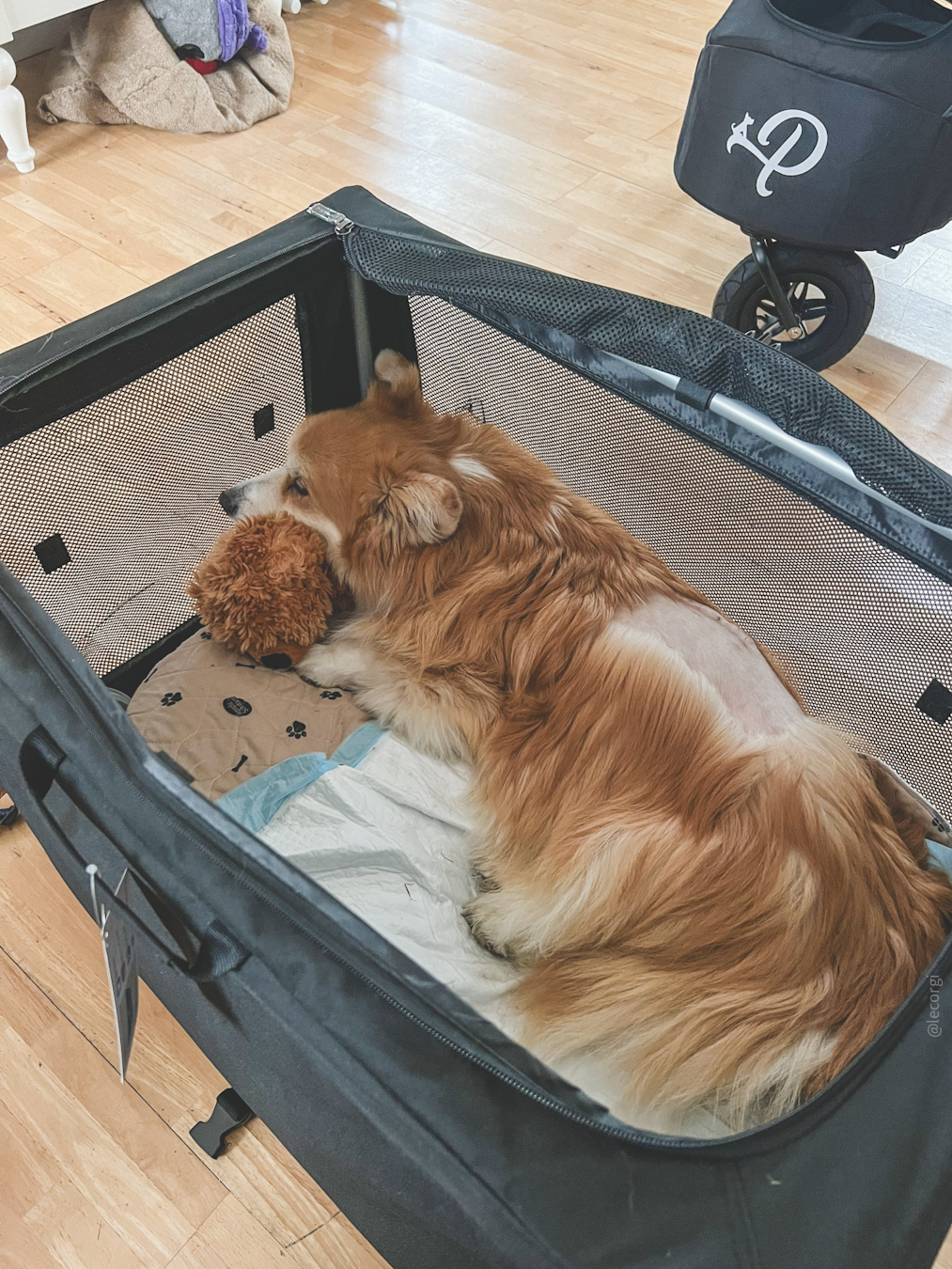
- Strict crate rest: 4 weeks of minimal movement
- Aurélie was advised to keep Marcel crated for 6-8 weeks
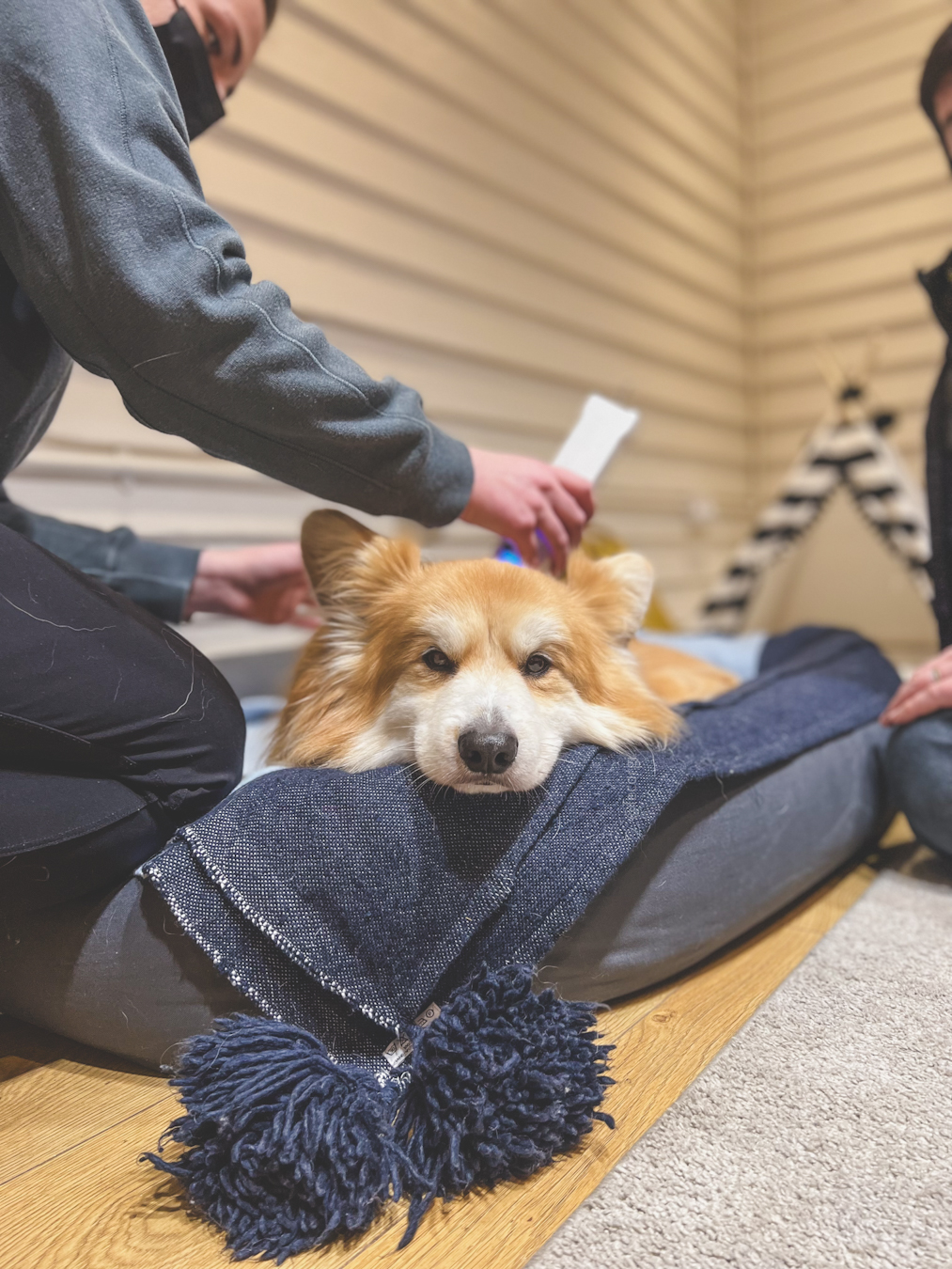
- Professional physiotherapy: Starting within 2-3 weeks
- Hydrotherapy: Water treadmill exercises (recommended over swimming pools for Corgis due to their body structure)
- Home exercises: Daily routines to maintain muscle strength
- Regular veterinary monitoring
Marcel still receives physiotherapy every three weeks, nearly four years later, though now primarily for arthritis management rather than IVDD recovery.

Prevention: What Actually Works (And What Doesn’t)
The Surprising Truth About IVDD Prevention
Professor Freeman shares important research findings: “Unfortunately we do not have strong evidence for any prevention methods.” Preventing obesity is advised, but as for exercise – “common sense might suggest limiting severe jarring exercise […] but most of the evidence we have points to dogs who are fitter being less likely to suffer with IVDD.”
Practical Home Modifications
While these modifications won’t prevent IVDD (which is largely genetic in Corgis), they can reduce spinal stress and make life safer for dogs who’ve had IVDD or are at risk:
- Baby gates to prevent rushing up/down stairs
- Ramps for garden access instead of steps
- Non-slip rugs on hard floors for better traction
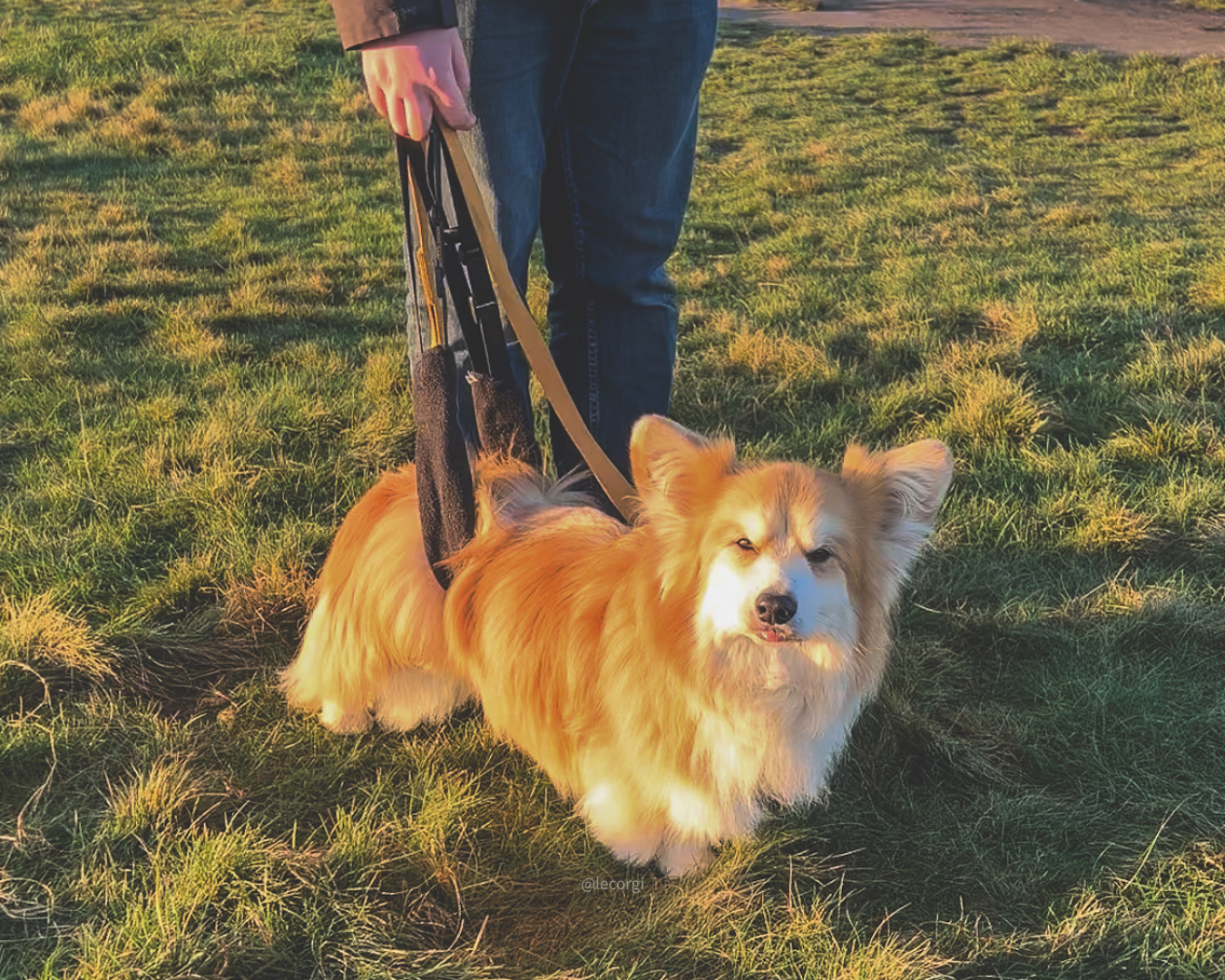
- Lifting support for car entry/exit
- Avoiding high jumps from furniture
“We have baby gates upstairs to prevent him from going flying down the stairs,” Aurélie explains. “The wooden floors are covered in rugs now.”
The Role of Early Neutering
A 2018 study of 1,964 Dachshunds provides some evidence that early neutering of Dachshunds may increase their risk of developing IVDD, although more research is required to verify this.
Marcel was neutered around 11-12 months old due to pressure from Aurélie’s vet. Corgi breeders and breed specialists generally advise neutering Corgis around 18 months old (once they’re fully grown).
The Financial Reality of IVDD Treatment
Insurance and Cost Considerations
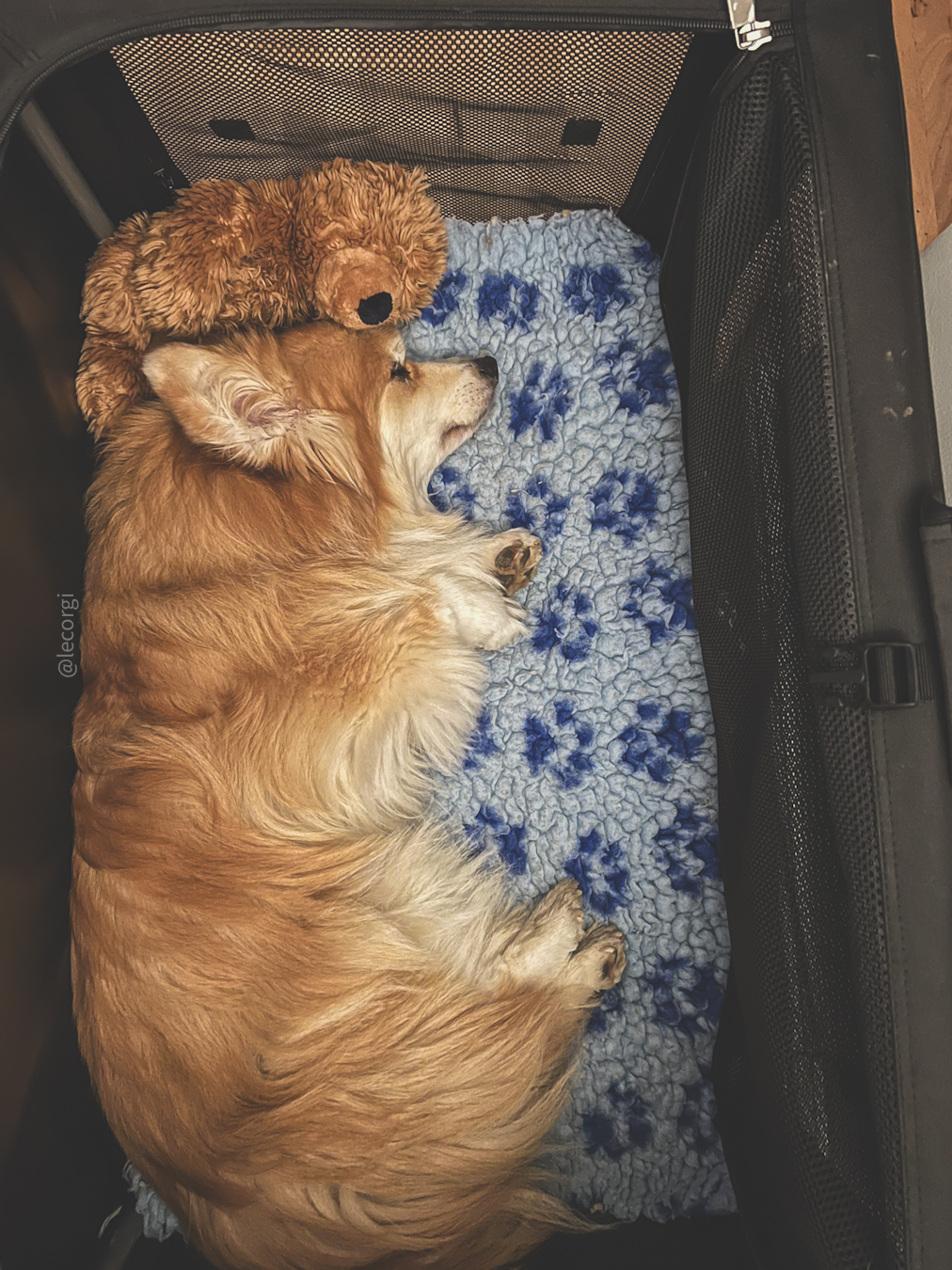
IVDD treatment is expensive. Aurélie’s family spent approximately £15,000 in the first year alone, despite having insurance that covered the initial surgery.
Aurélie encourages owners to be informed, insured (or have savings), and shop around if you have time as prices (for MRI scans, for example) can vary a lot from clinic to clinic.
Essential financial planning:
- Comprehensive pet insurance with high coverage limits
- Emergency credit options for immediate treatment needs
- Understanding that ongoing care costs continue long-term
Professor Freeman acknowledges that “all grades of dogs can recover with conservative management,” providing hope for families who cannot afford surgery.
Living with IVDD: Long-term Management
Daily Life Adaptations
Four years post-surgery, Marcel lives an active, happy life with modifications:
- Continued pain medication (now primarily for arthritis)
- Regular physiotherapy sessions with a professional, as well as at-home daily exercises
- Careful exercise management – allowing normal play while monitoring for overexertion
- Ongoing vigilance for signs of recurrence
The Impact on Owners
Aurélie shares some strategies she’s found helpful in dealing with Marcel’s IVDD diagnosis:
- Connecting with other IVDD dog owners
- Professional physiotherapy support
- Setting boundaries with advice-giving social media groups
- Focusing on the present and the chances of no recurrance vs. the risk of recurrence
Aurélie wants readers to know that “caregiver fatigue is a common thing and it’s important for those caregivers to give themselves grace and rest. I didn’t and I ended up burning out about a year later. I’d like to acknowledge the privilege we have to have insurance for Marcel (even if it didn’t cover it all), good credit cards and to be able to afford the time I could take off to take care of him since I’m self employed, which means time not spent working and earning money, which some people sadly cannot afford.”
Signs of Potential Recurrence
Watch for:
- Sudden pain reactions when touching the spine
- More pronounced arched back posture
- Reluctance to move or changes in gait
- Aggressive behavior (can indicate pain)
- “Flamingo pose” – holding one leg up
Expert Misconceptions About IVDD
What Veterinary Neurologist Professor Freeman Wants Owners to Know
“Surgery is not an emergency, and there are always alternatives which can be effective, especially when it is not affordable. All grades of dogs can recover with conservative management.”
This challenges the common belief that emergency surgery is the only option for severe IVDD cases.
Note from Aurélie: While surgery may not be an emergency, Aurélie emphasizes that recognizing and addressing IVDD symptoms is urgent. “It’s crucial that dogs showing any of the signs above are seen by a vet as soon as possible.”
The Comparison Trap
“Comparison is the thief of joy,” as Aurélie learned. Every dog’s recovery journey is unique. Some walk out of surgery; others take months to regain mobility. Some recover bladder function; others require lifelong assistance or a wheelchair, “but they can live happy, adapted lives regardless of the outcome in terms of mobility and (in)continence.”
Making Treatment Decisions: A Balanced Approach
Questions to Ask Your Veterinarian
- What stage of IVDD does my dog have?
- What are the success rates for conservative vs surgical treatment in my dog’s specific case?
- What does “recovery” realistically look like?
- What are the long-term care requirements?
- What are my financial options if I cannot afford surgery?
Hope and Realistic Expectations

Marcel’s Life Today
Nearly four years after his IVDD surgery, Marcel enjoys an active life. “Most days are good days,” Aurélie reports. “He’s very playful. We like to think that the enormous amount of work we’ve done on his physiotherapy has probably helped.”
Current activities Marcel enjoys:
- Regular walks and park visits
- Controlled play sessions with other Corgis
- Hydrotherapy
- Being a “normal” dog within safe parameters
The New Normal
“It took me a while, but accepting that this is the new normal was very important,” Aurélie reflects. IVDD changes your dog’s life (and yours), but it doesn’t end it. There is a life after and with it!The key is balancing caution with allowing your Corgi to remain a dog. “We want him to still be a dog and he’s still very playful, but we want to be careful with him not overdoing things.”

Mo’s Story
Mo’s IVDD journey began suddenly on February 25, 2021. The day before, he’d been his usual happy self, enjoying a walk along the canal. Then, late one evening, he became unwell completely out of the blue.
At first, Mo showed only pain—no paralysis. His owners, Serena and her partner, took him to the vet the following morning. Suspecting a flare-up of Mo’s pre-existing SMRA condition, the vet sent him home with pain medication. But by late afternoon, Mo’s back legs began to wobble.
That night, they rushed him to the emergency vet, where he stayed overnight. By Saturday, February 27, Mo was referred to the Small Animal Teaching Hospital. His back legs had become completely paralyzed.
The Road To Diagnosis & Treatment
An MRI scan revealed disc material pressing on the spinal cord between L4 and L7. Mo went straight into surgery, with veterinarians warning that it might be too late—that he could develop myelomalacia, a fatal complication. Thankfully, Mo avoided this devastating outcome.
When there was no immediate improvement, a second MRI revealed more disc material further up the spine, requiring another operation extending from L3 to L7. Mo spent weeks in hospital, complicated by what nurses called his “stubborn” bladder that required experimentation with muscle relaxant doses—medication he still takes today.
“With IVDD, time is of the essence—early diagnosis and intervention are crucial,” Serena reflects. “Sadly, that wasn’t the case for Mo, and it’s something that still weighs heavily on us.”
Adding to the challenge, Mo’s hospitalization coincided with COVID-19 restrictions. Serena and her partner couldn’t visit him during his entire hospital stay, making an already difficult situation even harder.
Life After IVDD: Mo’s New Normal
Mo finally came home on March 23, beginning a new chapter for the entire family. “Adjusting wasn’t easy at first—there were new routines, new challenges, and plenty of trial and error—but over time, we found our rhythm,” Serena says.
Despite numerous rehabilitation therapies, Mo never regained movement in his back legs. He remains doubly incontinent, requiring bladder expression four times daily and a sacral implant to help with bowel movements. Urinary tract infections remain a regular challenge—an unfortunate reality for dogs whose bladders require manual expression.
But Mo’s story is ultimately one of resilience and joy. He zooms around in a wheelchair that Serena has “pimped up” over the years with skateboard bearings and mountain board wheels for smoother, faster movement. He bum-shuffles around the house and maintains that classic Corgi mix of stubbornness and charm. When he’s really happy, he lets out what the family calls his “happy howl.”
“We’re lucky that Mo can come to work with us,” Serena notes. Given his care needs, managing otherwise would have been challenging. Mo loves being part of the office team—stealing wool from the shelves, playing football, and demanding morning neck scratches from staff since he can’t scratch himself anymore.
Mo was only four years old when IVDD struck. Now nine, he’s still going strong—still as cheeky, stubborn, and full of life as ever.
Final Thoughts: Knowledge is Your Best Tool
IVDD in Corgis is a serious condition that requires immediate attention, but it’s not a death sentence. With proper veterinary care, whether surgical or conservative, many dogs go on to live happy, active lives.
Remember the key takeaways:
- Act quickly when you notice pain or mobility changes
- Surgery isn’t the only option – discuss all alternatives with your vet
- Recovery is individual – don’t compare your dog’s progress to others
- Financial planning can make treatment decisions less stressful
- Life after IVDD can still be fulfilling with proper management
The most important thing you can do as a Corgi owner is to stay informed, act quickly when problems arise, and work closely with veterinary professionals to give your companion the best possible outcome.
Go follow Marcel & Mo!